How Often Should You Change Your Oil in Texas?
It is one of the most basic questions in car maintenance, and yet one of the most misunderstood. How often you actually need an oil change depends on more factors than most drivers realize, and getting it wrong in either direction can cost you. Change it too late, and you risk serious engine damage. Follow outdated advice, and you may be spending money you do not need to.
Why Regular Oil Changes Are Essential?
Motor oil is the lifeblood of your engine. Its primary job is engine lubrication, which means it creates a thin protective film between all the moving metal parts inside your engine, preventing them from grinding against each other. Without it, those parts would overheat and wear out within minutes.
Beyond lubrication, motor oil also:
Carries heat away from engine components
Cleans the engine by suspending dirt and debris
Protects against corrosion
Helps maintain consistent engine performance
What happens when you skip oil changes?
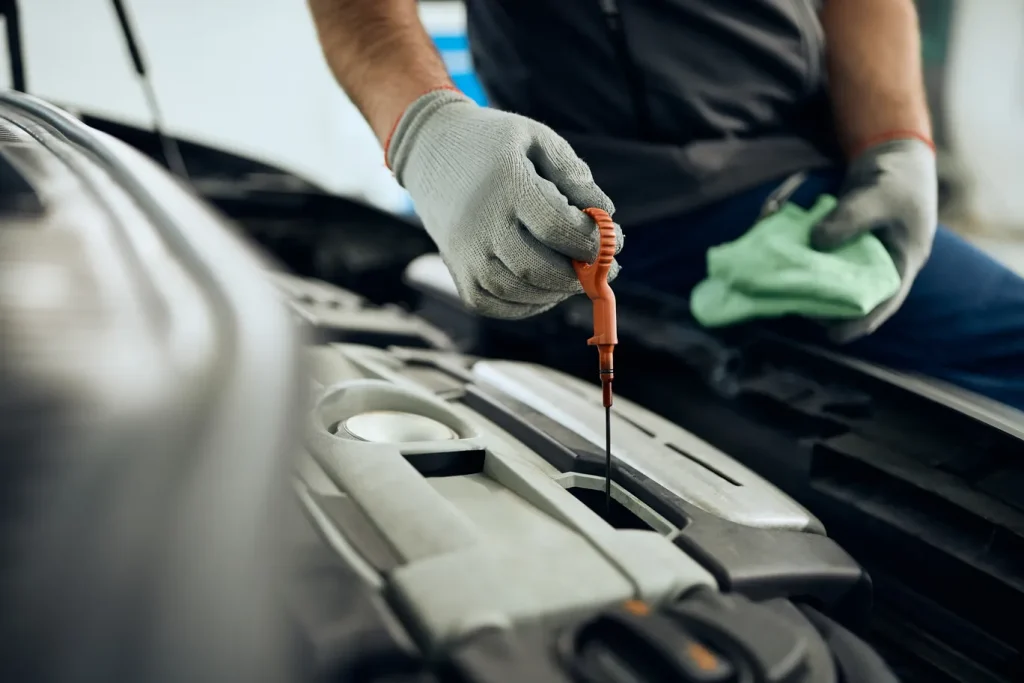
Over time, motor oil breaks down and becomes contaminated with dirt, metal particles, and combustion byproducts. When that happens, it stops protecting your engine and starts working against it. The consequences of neglecting regular oil change service include:
- Sludge build up inside the engine
- Increased friction and overheating
- Premature wear on pistons, bearings, and camshafts
- Reduced fuel efficiency
- In severe cases, complete engine failure
A simple, affordable car oil change is one of the most effective ways to avoid repairs that can cost thousands of dollars.
How Often Should You Change Your Oil?
There is no single answer that applies to every vehicle. The right interval depends on the type of oil your car uses, your driving habits, and what your manufacturer recommends.
Traditional conventional oil typically requires an engine oil change every 3,000 to 5,000 miles. This older standard is still relevant for vehicles that require conventional oil, particularly older models or those used for short, frequent trips.
A synthetic oil change lasts significantly longer. Most full synthetic oils are formulated to perform reliably for 7,500 to 10,000 miles, and some high-end synthetics are rated for up to 15,000 miles under ideal conditions. Synthetic oil offers better stability at high temperatures, improved engine lubrication in cold starts, and longer-lasting protection overall.
The most reliable source for your specific vehicle is always the owner's manual. Automakers test their engines extensively and specify oil change intervals based on that data. Some modern vehicles also include an oil life monitoring system that calculates the interval based on real driving conditions, rather than a fixed mileage number.
Driving Conditions That Require More Frequent Oil Changes
Even if your oil is rated for 7,500 miles, certain conditions will degrade it faster, including:
- Frequent short trips under 5 miles
- Stop-and-go city traffic
- Towing or hauling heavy loads
- Driving in extreme heat or cold
- Extended periods of idling
If any of these apply to you, consider shortening your oil change interval regardless of what the standard recommendation says.

Signs Your Vehicle Needs an Oil Change
Do not wait until something goes wrong. Your vehicle will usually give you warning signs before the damage becomes serious:
1
Dark or dirty oil: fresh oil is amber and slightly transparent. If it looks black and gritty on the dipstick, it is overdue for a change.
2
Maintenance or oil pressure warning light: if this appears on your dashboard, do not ignore it.
3
Engine noise: a knocking or ticking sound often means the oil is no longer lubricating the moving parts effectively.
4
Burning oil smell: if you notice this inside the cabin, it could indicate a leak or oil burning off on hot engine components.
5
Reduced engine performance: sluggish acceleration or rough idling can sometimes be traced back to degraded motor oil.
Why Texas Weather Can Affect Your Oil
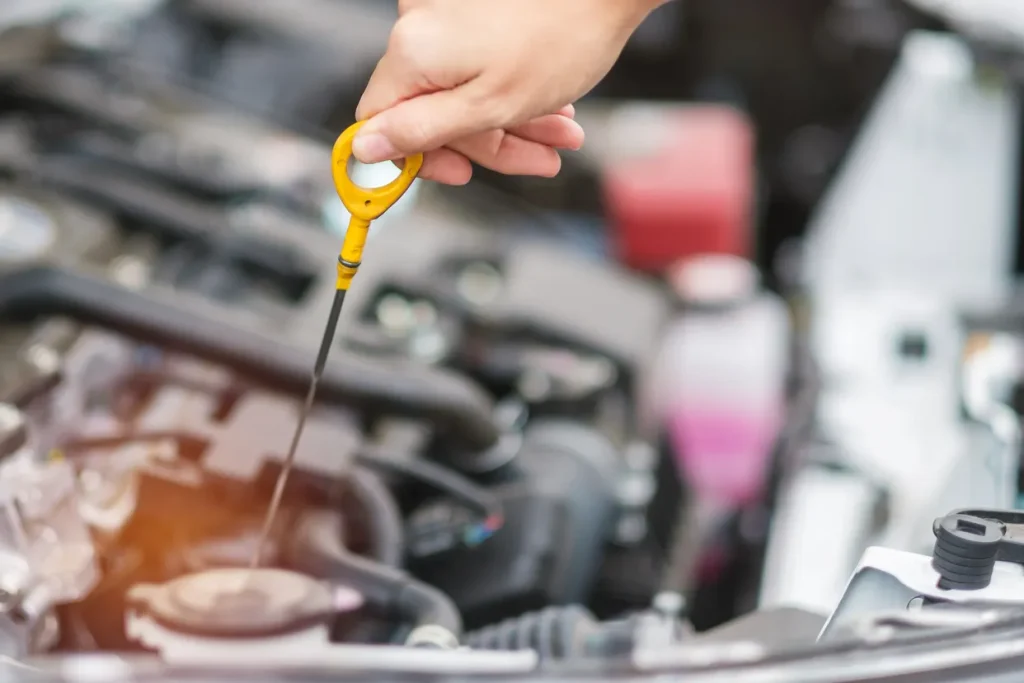
- High temperatures: extreme heat accelerates oil breakdown, which reduces its ability to protect engine components during the hottest months of the year.
- Heavy traffic: stop-and-go driving in urban areas keeps the engine working hard without allowing it to reach an efficient operating temperature, which accelerates oil contamination.
- Long highway drives: extended highway trips at high speeds generate sustained heat that wears down oil faster than typical mixed driving.
- Towing and hauling: if you use your vehicle to pull a trailer or carry heavy loads, your engine works significantly harder and your oil degrades more quickly as a result.
Not all oil change services are created equal. At R&A AutoWorks, we do more than just drain and refill.
- Experienced technicians who know your vehicle and treat it with care
- Quality motor oil and oil filter options, including conventional and full synthetic, matched to your engine's specifications
- Basic vehicle inspection included with every oil change, so small issues get caught before they become big problems
- Fast, reliable service that respects your time, without cutting corners
We also serve our community in both English and Spanish, because everyone deserves to understand exactly what is being done to their vehicle.
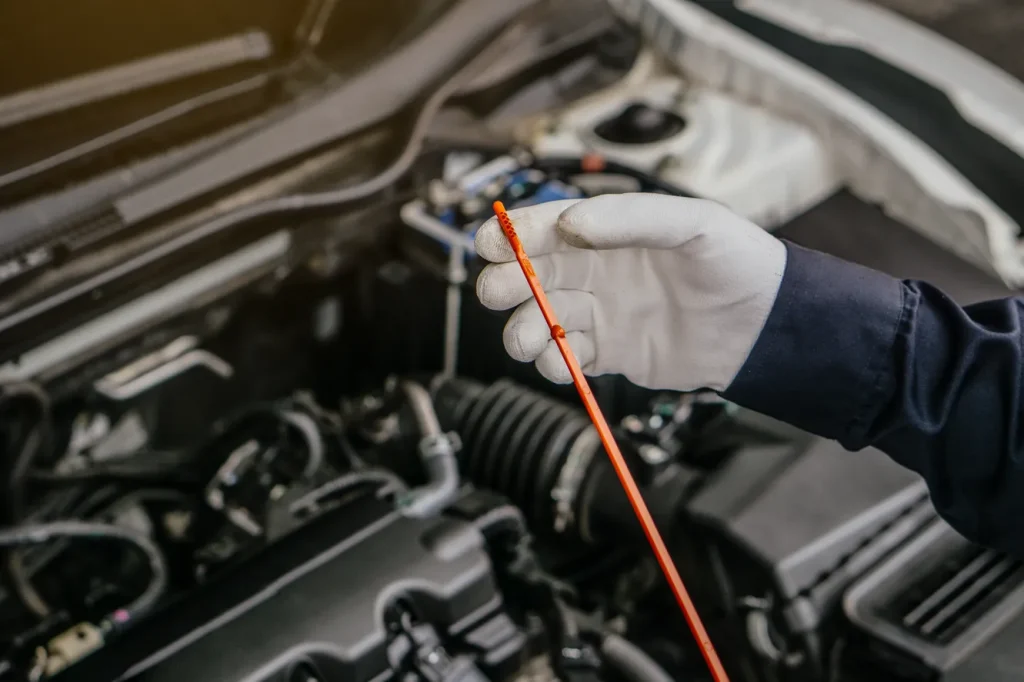
Schedule Your Next Oil Change Today
Regular oil changes are not just maintenance, they are an investment in the long-term health of your vehicle. Staying on schedule protects your engine, improves fuel efficiency, and helps you avoid the kind of costly repairs that come from years of neglect.
Whether you are due for a conventional or synthetic oil change, the team at R&A AutoWorks is ready to help. Contact us today to schedule your appointment and keep your engine running the way it should.